Adopting a Hypoallergenic Breed: What to Expect as a First-Time Owner
For many individuals who experience allergies, the desire to share a home with a cat often comes with concerns about sneezing, itchy eyes, and respiratory discomfort. The term “hypoallergenic” offers hope, yet it is often misunderstood. No cat breed is completely free of allergens, but certain breeds produce fewer allergens or manage them in ways that may be easier to tolerate. Breeds such as the Balinese and the Devon Rex are frequently mentioned in conversations about allergy-friendly cats. Understanding what these breeds truly offer and how they fit into daily life is essential for anyone considering adoption, especially for the first time.
The primary source of cat allergens is a protein called Fel d 1, found in saliva, skin glands, and dander. When cats groom themselves, the protein spreads onto their fur and then into the environment as dander flakes off. Breeds that shed less or produce lower levels of Fel d 1 may reduce the allergen load in a home. However, individual allergic reactions vary widely, and exposure management plays a significant role. This article explores the characteristics of the Balinese and Devon Rex, the realities of shedding and dander, and the cleaning routines that can support a comfortable coexistence for first-time owners.
Understanding Hypoallergenic Breeds
The concept of a hypoallergenic cat breed refers to a lower likelihood of triggering allergic reactions rather than an absence of allergens. Scientific research has shown that different cats produce varying amounts of Fel d 1, and some breeds are genetically predisposed to lower production. The Balinese, for example, is a longhaired breed that is sometimes described as producing less Fel d 1 than typical domestic cats. The Devon Rex, with its short, wavy coat, also tends to shed less and may distribute fewer allergens into the environment because its coat does not trap dander in the same way as denser fur.
It is important to note that no breed can guarantee an allergy-free experience. Each person’s sensitivity differs, and factors such as the individual cat’s hormone levels, age, and grooming habits also influence allergen production. First-time owners should spend time with the specific cat they are considering, if possible, to gauge their own reaction. Additionally, understanding that allergens can also be carried on clothing and furniture helps set realistic expectations for home management.
Characteristics of Balinese and Devon Rex
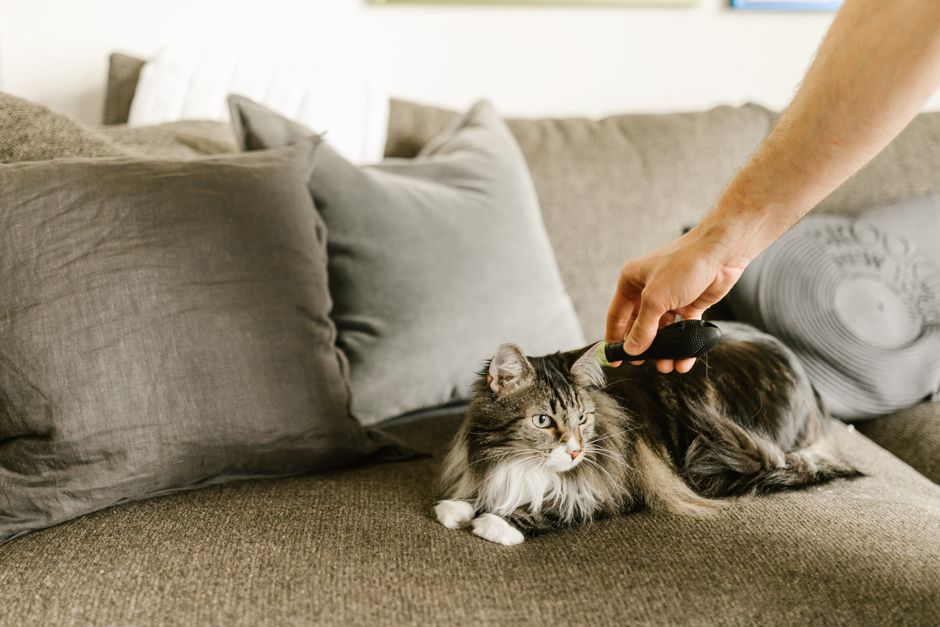
The Balinese is a semi-longhaired cat with a silky, fine coat that lies close to the body. Unlike many longhaired breeds, the Balinese lacks a dense undercoat, which reduces the amount of loose fur and dander. This breed is known for being social, vocal, and highly interactive, making it a good choice for households with an active lifestyle. Grooming needs are relatively low compared to other longhaired cats, though weekly brushing helps remove loose hair and distribute natural oils.
The Devon Rex is characterized by its short, wavy coat that feels soft and fine. This breed also has minimal shedding because its hair lacks the strong outer layer that typically falls out in larger quantities. The Devon Rex is playful, curious, and often described as a “Velcro cat” due to its tendency to stay close to its owners. Because the coat is thin, the skin is more exposed, and natural oils can accumulate. Regular gentle wiping with a damp cloth or a pet-safe wipe can help manage oil without disturbing the skin’s balance.
Both breeds require routine care to keep allergens minimized. Bathing every few weeks with a mild, cat-safe shampoo may further reduce dander and saliva residue. However, overbathing can dry out the skin, so it is wise to consult a veterinarian or a professional groomer for a tailored schedule. For first-time owners, establishing a grooming routine early helps the cat become accustomed to handling and reduces stress for both parties.
Cleaning and Home Maintenance Routines
Managing allergens in a home with a cat involves consistent cleaning practices that target dander, saliva, and fur. Frequent vacuuming with a HEPA filter vacuum cleaner is one of the most effective steps. Carpets, rugs, and upholstery should be vacuumed at least twice a week, while hard floors can be swept or damp-mopped to capture fine particles. Washing bedding, cat blankets, and any washable fabric covers weekly in hot water can significantly reduce allergen accumulation.
Air purification with a HEPA air cleaner placed in rooms where the cat spends most of its time can help capture airborne dander. Maintaining humidity between 40 and 50 percent may also reduce the amount of dust and dander floating in the air. Many first-time owners find that designating certain areas of the home as cat-free zones, such as the bedroom, provides a sanctuary for sleep and can lower overall exposure.
Litter box management is another important aspect. Cat litter that produces less dust can prevent particles from being tracked around the house. Scooping daily and deep cleaning the box weekly with a mild, unscented detergent helps control odors and minimizes the spread of allergens. For those with high sensitivity, wearing a mask during cleaning and washing hands afterward is a simple precaution.
Lifestyle Adjustments for Allergy Management
Beyond cleaning, there are lifestyle habits that can support an allergy-friendly environment. Allowing the cat to stay off furniture or limiting access to certain rooms, especially if allergic reactions are significant, can make a difference. Some owners choose to wipe the cat’s coat with a damp cloth or a commercially available allergen-reducing wipe on a daily basis. These products are designed to lower the amount of Fel d 1 on the fur before it becomes airborne.
Handling the cat with care and avoiding contact with the face after petting can reduce symptoms. Washing hands after interacting with the cat and keeping clothing separate from sleeping areas are practical steps. Regular visits to a veterinarian for check-ups ensure the cat stays healthy, as skin conditions or excessive grooming can increase dander production. First-time owners should also consider consulting an allergist to discuss medication or immunotherapy options, which can complement environmental management without replacing it.
It is also worth noting that introducing a cat into a home requires a period of adjustment for both the human and the animal. During the first few weeks, allergy symptoms may fluctuate as the household’s allergen levels change. Gradually increasing exposure and monitoring reactions can help individuals understand their own tolerance. Keeping a journal of symptoms and cleaning activities may reveal patterns that inform future adjustments.
Considerations Before Adopting
Adopting a Balinese or Devon Rex involves more than allergen management. Potential owners should research reputable breeders or rescue organizations that prioritize health testing and ethical breeding practices. The personality and activity level of these breeds also deserve attention, as they thrive on human interaction and may not do well with long periods of isolation. First-time owners should evaluate their daily schedule, available space, and willingness to commit to regular grooming and cleaning routines.
Another consideration is that individual cats within a breed can vary greatly in their allergen production. Spending time with the specific cat before adoption, if possible, gives a clearer sense of how one’s body reacts. Some shelters and breeders offer trial periods or allow visits to help families make informed decisions. Additionally, understanding that allergy symptoms may diminish over time for some individuals is a possibility, but not a certainty.
Finally, cost and time investments should be factored in. Hypoallergenic breeds often have higher adoption fees, and ongoing expenses include quality food, grooming supplies, air purifiers, and veterinary care. Cat World, as a resource for cat owners, emphasizes that preparation and realistic expectations are key to a positive experience. For those who are ready to embrace the responsibilities, welcoming a Balinese or Devon Rex can be a rewarding journey that balances companionship with thoughtful allergen management.