British Shorthair: The Quiet Companion for Apartment Living
For individuals or families living in apartments, finding a cat breed that aligns with a quieter, more confined environment can be a thoughtful decision. The British Shorthair is often discussed in this context, known for its composed disposition and relatively moderate activity levels. This breed’s history as a working cat in the United Kingdom has shaped an independent yet affectionate temperament that adapts well to indoor living. Understanding their specific traits and care requirements helps in creating a harmonious home environment for both the cat and the household.
British Shorthairs are not typically demanding of constant attention or high-energy play. Their calm nature means they are less likely to become stressed in smaller spaces, provided their basic needs are met. This article explores the key aspects of their personality, exercise needs, grooming routines, health considerations, and how to set up an apartment that supports their well-being. Each section offers contextual information rather than prescriptive advice, emphasizing that outcomes depend on the individual cat and the home environment.
As with any pet, responsible ownership involves understanding the breed’s general characteristics while also observing the unique preferences of each animal. The British Shorthair’s quiet companionship can be a rewarding experience when approached with realistic expectations and a commitment to providing a stable, enriching atmosphere.
Personality and Temperament of the British Shorthair
The British Shorthair is often described as reserved but affectionate. They are not typically lap cats in the same way some other breeds are, but they enjoy being near their human companions. This breed values personal space and may choose to sit beside a person rather than on them. Their independent streak means they can entertain themselves for periods, which is practical for apartment dwellers who work outside the home. However, they still benefit from regular, gentle interaction and quiet companionship.
Socialization during kittenhood can influence how comfortable an adult cat becomes with new people and routines. Many British Shorthairs are friendly with guests but not overly demonstrative. They tend to be less vocal than breeds like Siamese, communicating through soft meows and purrs. This quietness contributes to their suitability for apartments where noise might be a concern. It is important to note that each cat has its own personality, and some individuals may be more outgoing or reserved than breed stereotypes suggest.
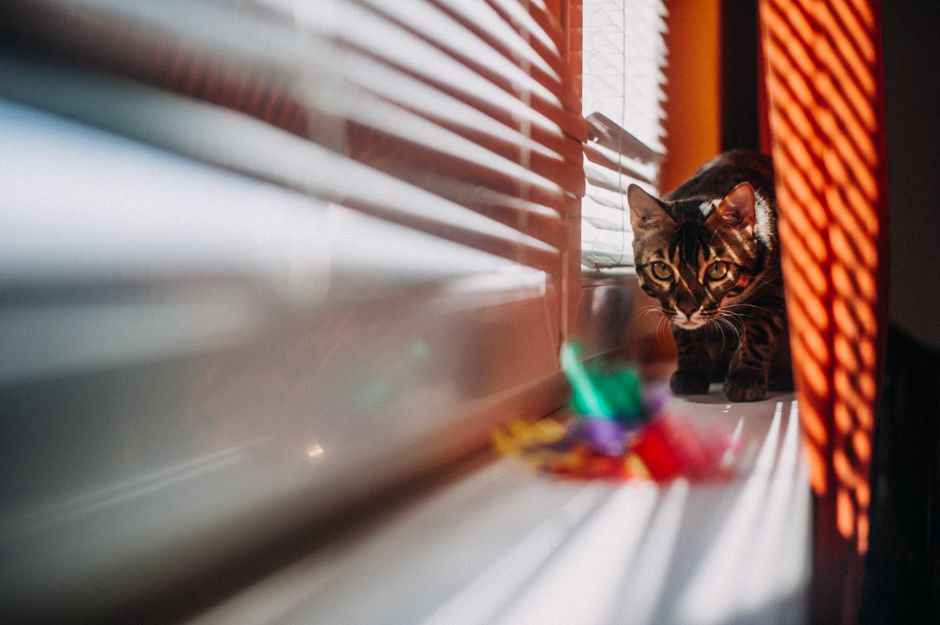
Their calm demeanor also means they are less likely to engage in destructive behaviors when left alone, provided they have appropriate enrichment. They are not typically prone to climbing curtains or knocking over items, but they do appreciate having safe places to observe their surroundings. A cat tree placed near a window can satisfy this instinct without requiring much space.
Exercise and Activity Requirements
British Shorthairs are known for their moderate activity levels. While they enjoy play sessions, they are not as high-energy as some other breeds. A few short interactive play periods each day, using toys like wand feathers or laser pointers, can help maintain their physical and mental health. Puzzle feeders and treat-dispensing toys also provide stimulation without requiring a large area. It is worth noting that exercise needs vary among individuals; some cats may be more playful, while others prefer lounging.
Because they are predisposed to weight gain, regular movement is beneficial. However, this does not mean they need extensive space to run. Apartment layouts with a few rooms and access to vertical surfaces can be sufficient. Cat shelves or wall-mounted perches allow them to climb and survey their territory without taking up floor space. The key is to offer variety in toys and activities to prevent boredom.
Outdoor access is not necessary for this breed. They are generally content as indoor cats, which aligns with safety considerations in urban environments. If a balcony or patio is available, it can be cat-proofed with mesh to allow fresh air and outdoor sights, but this requires careful supervision and setup. Most British Shorthairs adapt well to an exclusively indoor lifestyle when their environment is enriched.
Grooming and Coat Care
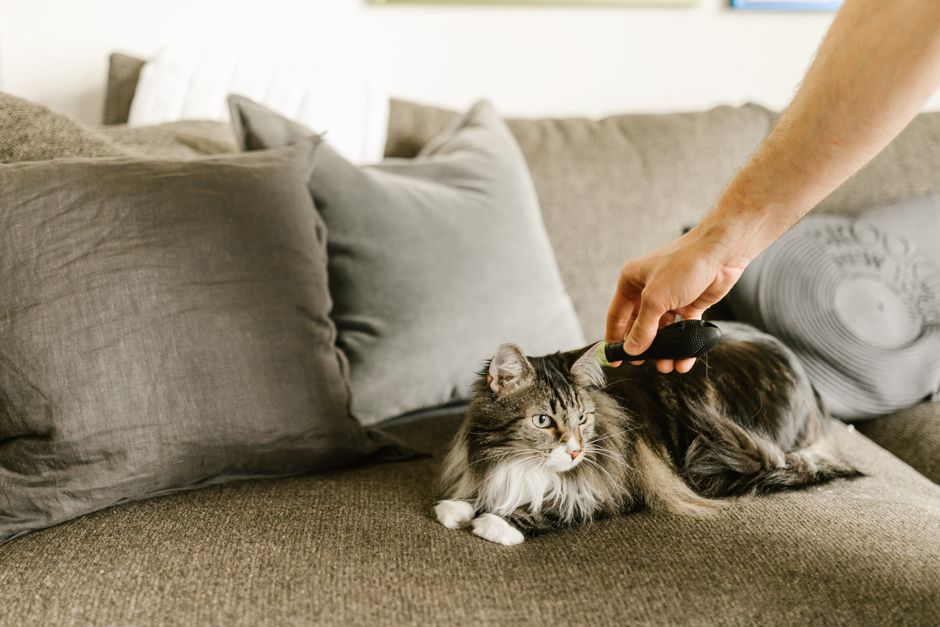
The British Shorthair has a dense, plush double coat that requires regular grooming to keep it in good condition and reduce shedding. Brushing once or twice a week with a rubber brush or a fine-toothed comb helps remove loose hair and distribute natural oils. During seasonal coat changes, more frequent brushing may be necessary. This routine also provides an opportunity to check for skin issues or parasites.
Despite their thick coat, these cats are generally fastidious groomers themselves. However, they can sometimes struggle with hairballs, so incorporating hairball control treats or a small amount of petroleum-based laxative as recommended by a veterinarian may be helpful. Bathing is rarely required unless the cat gets into something sticky. Nail trimming every few weeks and regular dental care are also part of maintaining overall health.
It is important to note that grooming sessions can serve as bonding time. Most British Shorthairs tolerate brushing well, especially when introduced gradually from kittenhood. Observing the cat’s comfort level during grooming helps prevent stress. There is no one-size-fits-all approach; each cat may have preferences regarding handling and brushing duration.
Health Considerations for Indoor British Shorthairs
Like all purebred cats, British Shorthairs may be predisposed to certain health conditions. Hypertrophic cardiomyopathy (HCM), a type of heart disease, is known to occur in the breed. Regular veterinary checkups, including cardiac screenings if recommended, can help with early detection. Obesity is another common concern due to their calm nature and love of food. Monitoring portion sizes and providing a balanced diet are important preventive measures.
Other potential issues include dental disease and urinary tract problems. Feeding a high-quality diet appropriate for their age and health status, along with providing fresh water at all times, supports overall well-being. Many owners find that using a water fountain encourages drinking, which can benefit urinary health. Additionally, maintaining a stable environment with minimal changes helps reduce stress, which can contribute to health problems.
It is crucial to understand that no breed is immune to health challenges. Responsible breeding practices and regular veterinary care can mitigate some risks, but individual outcomes vary. The information provided here is general and does not replace professional veterinary advice. Owners should consult a veterinarian for personalized guidance on vaccinations, parasite prevention, and health monitoring.
Creating a Cat-Friendly Apartment Environment
Setting up an apartment for a British Shorthair involves considering their need for comfort, safety, and enrichment. Because they are not highly active, the space does not need to be large, but it should include designated areas for resting, eating, elimination, and play. A quiet corner with a soft bed allows for undisturbed naps. Multiple litter boxes are generally recommended; in an apartment, one per cat plus one extra is a common guideline, placed in low-traffic areas with good ventilation.
Vertical space is valuable for British Shorthairs. A sturdy cat tree with platforms and hiding cubbies gives them the opportunity to climb and observe from a height. Window perches can also be interesting, especially if placed where they can watch birds or outdoor activity. Scratching posts should be available to fulfill natural scratching instincts and to protect furniture. Sisal rope or cardboard scratchers are often preferred over carpet-covered models.
Because apartments may have limited sunlight, providing access to natural light through windows is beneficial. Cats use sunbathing to regulate body temperature and for general well-being. However, screens should be secure to prevent falls. Using blackout curtains on windows facing busy streets can create a calmer atmosphere if noise is an issue. The overall goal is to create a predictable, safe environment where the cat can feel in control of their territory, which supports their naturally calm disposition.