Grooming Tips for Longhair Cats: How to Prevent Mats and Tangles
Longhair cats, such as Persians and Ragdolls, are admired for their luxurious coats. However, that beauty comes with a responsibility: regular grooming is essential to prevent mats and tangles. Without consistent care, the long, fine hair can quickly become matted, leading to discomfort, skin irritation, and even health issues. This article explores the causes of matting, the tools that can help manage it, and the techniques that support a healthy, tangle-free coat.
Understanding the structure of a longhair cat’s coat is the first step. These cats have a dense undercoat and a longer, silky topcoat. When loose hair, dirt, and natural oils accumulate, they can form knots that tighten over time. Mats are not only unsightly but can pull on the skin, causing pain and restricting airflow to the skin. By learning proper grooming methods, owners can reduce the likelihood of severe matting and keep their cat comfortable.
This guide provides an overview of grooming practices that may be beneficial for cats with long hair. It does not replace the advice of a veterinarian or professional groomer, but offers general information that can be considered when developing a grooming routine.
Understanding Why Mats and Tangles Develop
Mats and tangles form when loose hairs become intertwined with healthy ones. In longhair cats, the undercoat sheds continuously, and without regular removal, these loose hairs catch on the topcoat and begin to twist. Friction from sleeping, rubbing against furniture, or playing can accelerate this process. Additionally, areas with high movement, such as the armpits, belly, and behind the ears, are especially prone to matting. Moisture from drooling or bathing can also make the hair more likely to clump, especially if it is not dried thoroughly.
Several factors can contribute to the severity of matting. A cat’s age, health status, and diet all play a role. Older cats or those with arthritis may have difficulty grooming themselves, so owners may need to step in more frequently. Skin conditions like allergies or excess oil production can increase shedding and stickiness, making tangles more likely. Environmental factors such as dry indoor air can create static electricity, which causes hair to cling together more easily.
Recognizing the early signs of matting is important. Small, loose tangles can often be worked out gently, but if they are left unchecked, they can tighten into dense mats that are uncomfortable for the cat and difficult to remove. In severe cases, mats can pull on the skin, leading to bruising or even skin infections. By understanding why mats form, owners can take proactive steps to minimize their occurrence.
Essential Grooming Tools for Longhair Coats
Selecting the right tools can make grooming more effective and comfortable for both the cat and the person grooming. A stainless steel comb with both wide and fine teeth is a foundational tool for longhair cats. The wide teeth help detangle larger knots, while the fine teeth catch loose undercoat hairs. Another commonly used tool is a slicker brush, which has fine, bent wires that remove loose hair and smooth the coat. However, slicker brushes should be used gently, as excessive pressure may scratch the skin.
A wide-toothed comb is particularly useful for the sensitive areas around the face and tail, where mats can be more painful. For existing tangles, a dematting tool or mat splitter can be helpful. These tools have specially designed blades that cut through dense mats without pulling on the surrounding hair. It is generally recommended to use dematting tools only when a mat is too tight to be worked out with a comb, and to follow up with a regular comb to smooth the area.
Other helpful items include grooming gloves or a rubber curry brush, which can be used during petting sessions to collect loose hair. A high-quality cat shampoo and conditioner formulated for long coats can also support coat condition by reducing static and adding slip. Cat World notes that using a leave-in detangling spray designed for cats can sometimes make brushing easier, especially on dry days. It is important to avoid human grooming products, as they may contain ingredients that can irritate a cat’s skin.
Proper Brushing Techniques
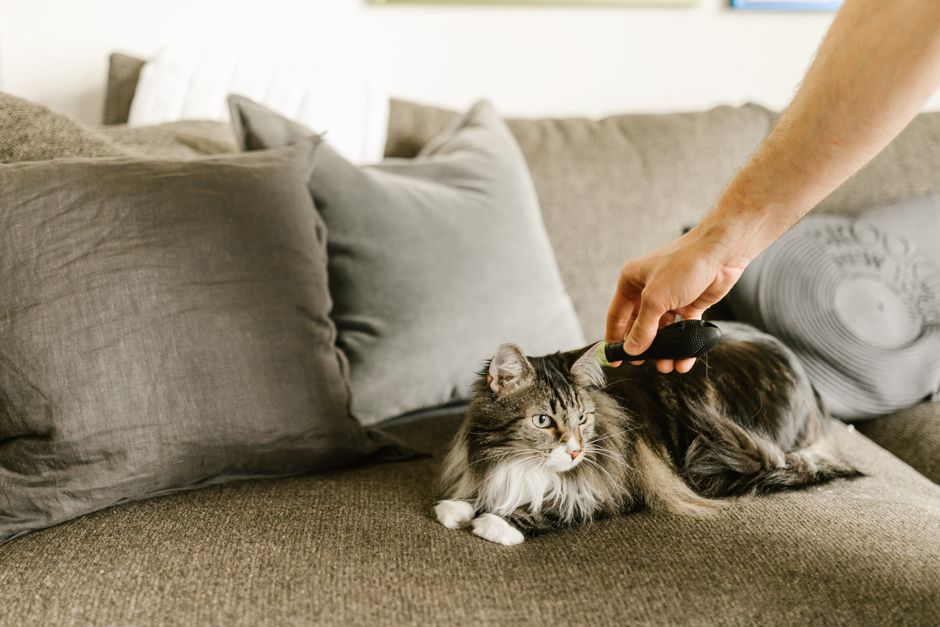
Establishing a calm environment before grooming is beneficial. Many cats respond well to a consistent routine, so setting aside a specific time each day can help reduce anxiety. Starting with gentle petting and praise can put the cat at ease. One approach is to begin grooming by running a wide-toothed comb through the coat to identify any tangles. If a small knot is found, it can often be gently teased apart with the fingers or the wide end of the comb. Pulling or yanking on a mat can cause pain and may make the cat reluctant to be groomed in the future.
Brushing should follow the natural direction of hair growth, starting from the skin and working outward. For cats with a thick undercoat, it can be helpful to lift sections of hair and brush from the roots. A slicker brush may be used in short, light strokes to remove loose undercoat. After brushing the entire body, a fine-toothed comb can be passed over the coat to check for missed tangles or small mats. Paying special attention to the belly, legs, and tail, where mats form most frequently, is often recommended.
When a mat is already present, patience is key. Mats that are small and close to the skin should be handled with care. Using a dematting tool or mat splitter, one can gently cut through the mat in small sections, always being careful to keep the blade pointed away from the skin. After splitting the mat, a comb can be used to work out the remaining loose hair. If a mat is very tight or located near sensitive areas, it may be safer to leave it for a professional. Regular brushing, even when no tangles are visible, helps maintain coat health and reduces the chance of matting over time.
Bathing and Drying Considerations
Bathing a longhair cat is not always necessary, but it can help remove dirt, oils, and loose hair that contribute to tangles. When a bath is given, using a cat-specific conditioner after shampooing can add slip to the hair, making subsequent brushing easier. Water temperature should be lukewarm, and the cat should be kept calm throughout the process. It is important to rinse thoroughly, as residue from grooming products can lead to skin irritation and may cause the coat to become sticky.
Drying is a critical step that is often overlooked. Wet hair is more prone to matting because it clings together and becomes heavy. Towel drying can remove much of the moisture, but for thicker coats, a low-heat blow dryer designed for pets may be used. The dryer should be set to a gentle, cool or warm setting and held at a distance to avoid overheating the skin. While drying, one can gently comb through the hair with a wide-toothed comb to prevent tangles from forming as the coat dries.
Some cats may find bathing stressful, so alternative methods such as waterless shampoos or grooming wipes can be considered for spot cleaning. These products can remove surface dirt and help maintain coat condition between full baths. In any case, ensuring that the coat is completely dry before the cat is allowed to groom itself or rest is important, as lingering moisture can create an environment where mats develop more quickly.
When to Seek Professional Grooming
Even with a diligent home grooming routine, some situations may warrant professional assistance. Severe mats that are tightly pressed against the skin, especially in areas like the armpits or groin, can be difficult and risky to remove at home. Attempting to cut out such mats with household scissors can lead to accidental cuts, as the skin of longhair cats is very loose. Professional groomers have the tools and experience to safely remove dense mats, often using electric clippers that reduce the risk of injury.
Cats that are particularly averse to brushing or those with health conditions that limit their mobility may also benefit from periodic professional grooming. Groomers can assess the coat condition and provide a thorough deshedding and detangling session. In some cases, a groomer may recommend a sanitary trim or a full lion cut if matting is recurrent. This can be a practical option for senior cats or those with chronic skin issues, as it reduces the grooming burden at home.
Owners should observe their cat’s behavior during grooming sessions. If the cat consistently shows signs of stress, such as hissing, swatting, or hiding, it may be a sign that a different approach or professional help is needed. Cat World advises that safety and comfort should always take precedence over maintaining a perfect coat. A professional groomer can also offer guidance on home maintenance tailored to the individual cat’s coat type and temperament.
Maintaining a Consistent Grooming Routine
Consistency is often the most effective strategy for preventing mats and tangles in longhair cats. Daily brushing sessions of five to ten minutes can keep the coat in good condition and prevent small tangles from becoming problematic. Integrating grooming into a daily ritual, such as before feeding or during a quiet evening, can help the cat become accustomed to the process. Over time, many cats learn to enjoy the attention and the sensation of being brushed.
Monitoring the coat for changes is also part of a good routine. Checking for new tangles, signs of skin irritation, or changes in shedding patterns can alert owners to underlying health issues. Diet plays a role in coat quality; feeding a balanced diet with adequate omega-3 and omega-6 fatty acids can support skin health and reduce excessive shedding. Additionally, providing scratching posts and interactive play can help cats stretch and groom themselves naturally.
Ultimately, maintaining a longhair cat’s coat is an ongoing process that requires patience and observation. No single technique or tool works for every cat, so adjusting methods based on the individual’s coat texture, temperament, and lifestyle is important. By understanding the causes of matting, using appropriate tools, and establishing a regular grooming schedule, owners can support their cat’s coat health and overall well-being. The goal is not to achieve a flawless coat, but to ensure the cat remains comfortable and free from the discomfort caused by mats and tangles.