Comparing Persian and Maine Coon: Which Longhair Breed Is Right for You?
Choosing between a Persian and a Maine Coon can feel like a delightful puzzle. Both breeds are admired for their luxurious long coats and distinctive personalities, yet they differ in ways that matter greatly to potential owners. Understanding these differences goes beyond looks—it involves considering daily care routines, space requirements, and the type of companionship each breed naturally offers. This article examines the key variations in temperament, grooming needs, and physical size between Persian and Maine Coon cats, providing a framework for making an informed choice.
While both breeds share a longhair trait, their origins and evolutionary paths have shaped very different characteristics. The Persian cat, with its ancient roots in the Middle East, was developed for a calm, indoor lifestyle. The Maine Coon, originating in North America, evolved as a working cat adapted to harsh climates and outdoor environments. These historical contexts influence how each breed interacts with people, handles grooming demands, and occupies space in a home. By exploring each area in detail, readers can evaluate which breed aligns more closely with their own living situation and expectations.
Temperament and Personality
The temperament of a Persian cat often leans toward a quiet, gentle, and undemanding nature. Persians typically enjoy a predictable environment and prefer calm interactions with their human companions. They are known for their affectionate yet reserved demeanor—they may follow a favorite person from room to room but rarely seek constant attention in an assertive way. This breed often contentedly spends long hours napping on a soft surface, making it a suitable companion for those who appreciate a peaceful household.
In contrast, the Maine Coon tends to be more outgoing, curious, and playful. Often described as “gentle giants,” these cats retain a kitten-like energy well into adulthood. They are likely to greet visitors at the door, engage in interactive play, and even learn simple tricks. Their intelligence and adaptability mean they can adjust to households with children, other pets, or more activity. However, their social nature also means they may feel lonely if left alone for extended periods. The contrast in disposition is not about one being better than the other, but about matching the cat’s natural rhythms with the owner’s lifestyle.
It is important to note that individual variation exists within each breed due to genetics, socialization, and environment. While breed tendencies provide a general guide, each cat has a unique personality. Prospective owners should spend time with adult cats or kittens from ethical breeders to observe behavior firsthand rather than relying solely on breed stereotypes.
Grooming and Coat Maintenance
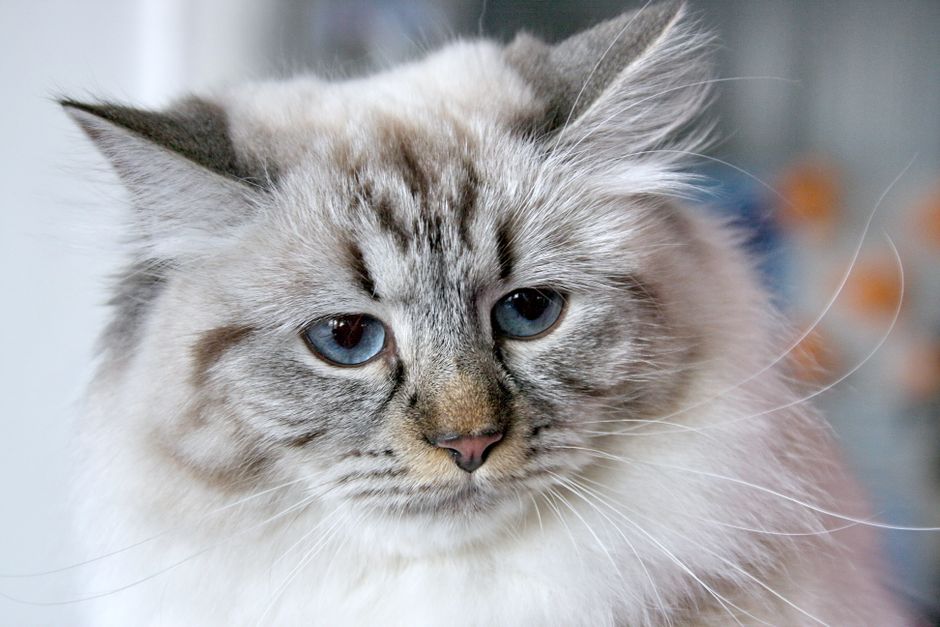
Both Persians and Maine Coons have long, dense coats, but the texture and maintenance requirements differ significantly. The Persian coat is famously plush, double-layered, and lacks a pronounced guard hair layer. This structure means it tangles and mats easily, especially around the underarms, belly, and ruff. Daily brushing is typically necessary to prevent pain and skin issues. Many Persian owners incorporate a regular bath schedule to keep the coat clean and reduce oil buildup. Neglecting grooming can lead to mat removal that may require professional help or even shaving.
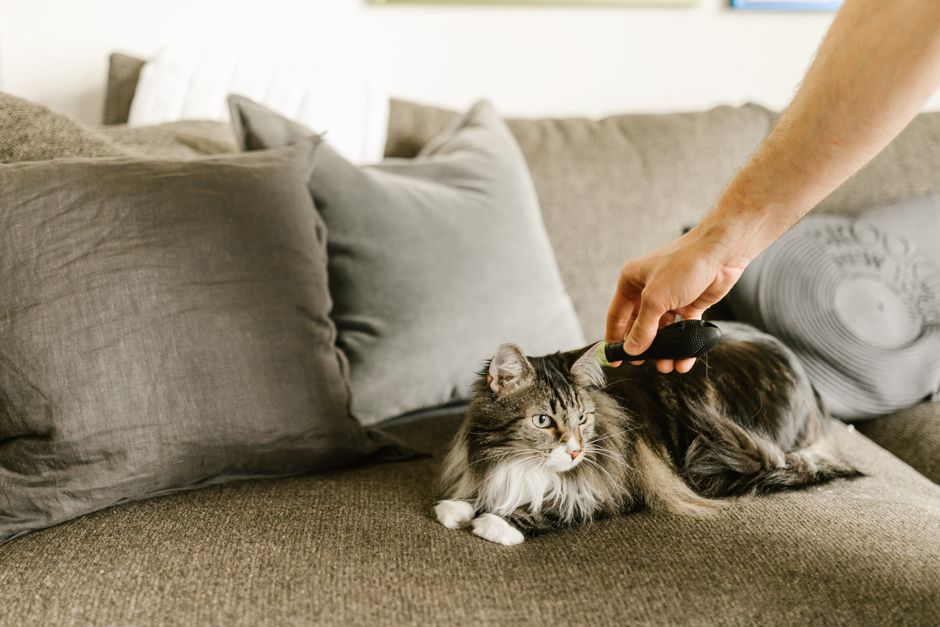
The Maine Coon’s coat, while also long, has a different texture—it is more water-repellent and silky, with a less dense undercoat. The hair tends to be longer on the ruff, belly, and tail but is generally more resistant to matting. Weekly brushing is often sufficient for a Maine Coon, though during seasonal shedding periods more frequent grooming may be needed. Maine Coons are generally more tolerant of grooming sessions compared to Persians, partly due to their calm, cooperative temperament. However, both breeds require attention to nail trimming, ear cleaning, and dental care as part of a comprehensive grooming routine.
Potential owners should evaluate their willingness to invest time in coat care. For individuals who prefer lower-maintenance grooming, the Maine Coon may pose a lighter daily commitment. For those who find the ritual of daily brushing and grooming a relaxing bonding activity, the Persian’s needs may feel rewarding rather than burdensome.
Size and Physical Characteristics
Size is one of the most noticeable distinguishing features between these breeds. Maine Coons are among the largest domesticated cat breeds, with males typically weighing between 13 and 18 pounds, and sometimes more. Females are smaller but still substantial, often ranging from 8 to 12 pounds. Their bodies are long, muscular, and sturdy, with large paws and tufted ears that reflect their adaptation to cold climates. A fully grown Maine Coon can take up to three to five years to reach full size, so owners should plan for a gradual growth phase.
Persians, in contrast, are a medium-sized breed with a stocky, cobby body type. Adult Persians usually weigh between 7 and 12 pounds, with males at the higher end. Their short, thick legs, round heads, and large eyes give them a distinctive doll-like appearance. The brachycephalic (flat-faced) structure of many Persians can contribute to breathing issues and requires special attention to keep the facial area clean. Because of their compact build, Persians need less vertical space and may be more comfortable in smaller apartments compared to the active, climbing-prone Maine Coon.
Overall physical demands also differ: Maine Coons often enjoy cat trees, shelves, and interactive toys that allow them to exercise their natural agility. Persians are generally less athletic and may prefer ground-level perches and cozy hideaways. The amount of living space, as well as the owner’s ability to accommodate larger furniture or exercise equipment, can influence which breed fits better.
Health and Lifespan Considerations
Both breeds have breed-specific health tendencies that prospective owners should be aware of. In Persians, brachycephalic airway syndrome is a common concern due to their flattened faces. This condition can lead to breathing difficulties, especially in hot or humid weather. Additionally, Persians are predisposed to polycystic kidney disease (PKD), a hereditary condition that can be screened for by responsible breeders. Regular veterinary check-ups and genetic testing in breeding programs can help reduce the risk, but owners should be financially and emotionally prepared for potential health management.
Maine Coons are generally considered robust, but they have a higher incidence of hypertrophic cardiomyopathy (HCM), a form of heart disease. Reputable breeders often screen for HCM through echocardiograms. Maine Coons also may be prone to hip dysplasia and spinal muscular atrophy, though these are less common. Lifespan for both breeds averages between 12 and 15 years, though with proper care some individuals live longer. Health outcomes depend on genetics, diet, environment, and regular veterinary care rather than any single factor.
When evaluating health, it is helpful to discuss with breeders or rescue organizations about the health history of the cat’s lineage. No breed is free from possible issues, but informed owners can take proactive steps such as preventive veterinary visits, appropriate nutrition, and maintaining a safe indoor environment to support long-term well-being.
Evaluating Lifestyle Compatibility
Choosing between a Persian and a Maine Coon ultimately comes down to matching the cat’s natural inclinations with the owner’s daily routine and living situation. For households that value a serene, low-activity environment and are prepared for daily grooming, a Persian may offer a deeply rewarding companionship. Their calm presence and affectionate nature can suit individuals or families who spend substantial time at home and appreciate a quiet feline friend.
For those who enjoy an interactive, playful partnership and have space for a larger cat to explore, the Maine Coon often thrives. Their dog-like loyalty and adaptability make them excellent companions for families with children, other pets, or for people who want a cat that participates actively in household life. Owners who travel frequently or have unpredictable schedules may need to consider the Maine Coon’s need for social interaction.
It can be helpful to visit breeders or attend cat shows to observe both breeds in person. Speaking with breeders about their lines and asking about temperament and health testing provides additional context. Rescue organizations sometimes have purebred cats available, which offers another route to adoption. Whichever breed aligns more closely with a person’s capacity for grooming, activity levels, and emotional engagement, the decision should be made with patience and realistic expectations.